Everything Old Is Trending Again: The Internet's Obsession With Digging Up the Past
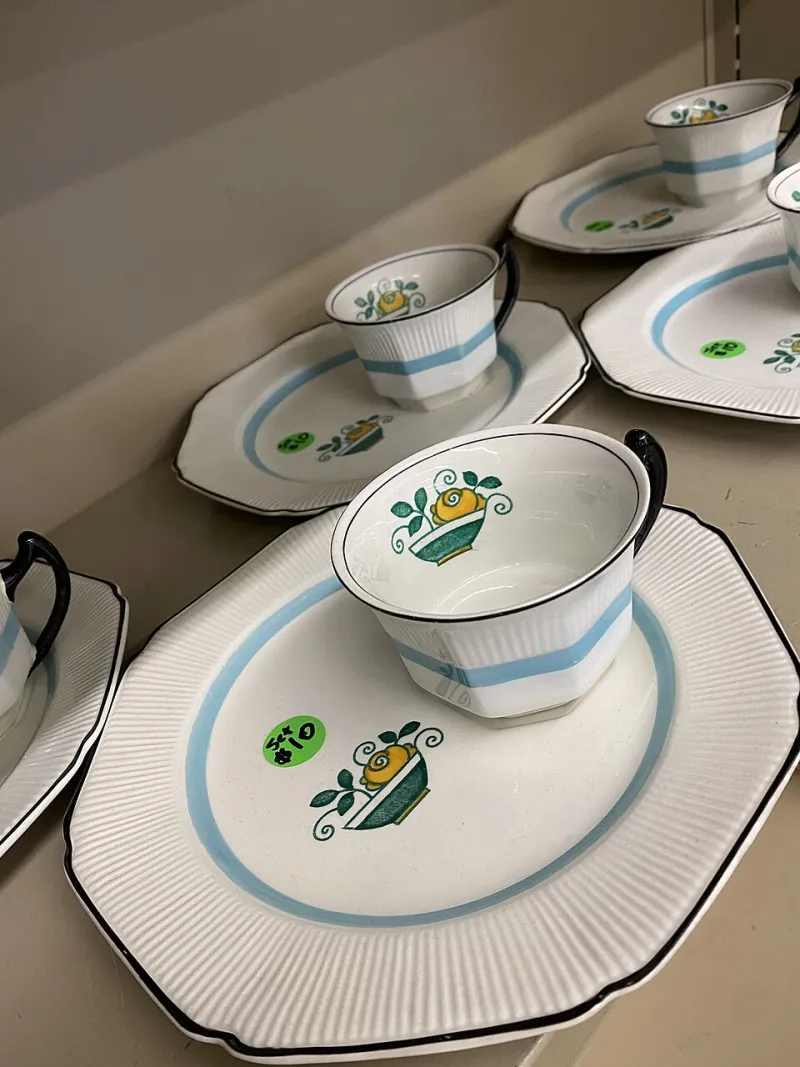
Photo: Anora McGaha (NCNorie), CC BY-SA 4.0, via Wikimedia Commons
Somewhere between a thrift store haul video and a TikTok sound clip pulled straight from a 2004 Disney Channel original movie, something clicked for a whole generation that wasn't even alive to witness the original moment. That's the wild part. Gen Z isn't just tolerating the past — they're actively hunting it down, dusting it off, and serving it back to the rest of us like it's the freshest thing on the internet.
And maybe it is.
Trends don't die anymore. They just go underwater for a while and wash back up when the timing feels right. Welcome to the era of the viral comeback — where nothing stays buried, and the algorithm never forgets.
The Cycle Has Always Existed. TikTok Just Turbocharged It
Fashion historians will tell you that trends have always moved in cycles. What's cool fades, gets mocked, gets forgotten, then quietly becomes cool again about 20 years later. It happened with bell-bottoms. It happened with high-waisted jeans. It'll probably happen with low-rise denim again before we're ready.
But the internet — and TikTok specifically — has completely collapsed that timeline. What used to take two decades now takes two years, sometimes less. A single viral video can resurrect a look, a sound, or an entire cultural aesthetic overnight. The Y2K fashion revival didn't slowly creep back into department stores. It exploded across feeds in a matter of months, driven by creators who found their mom's old platform boots in a storage unit and thought, wait, these actually slap.
The algorithm plays a huge role here. TikTok's For You page is essentially a mood board built by a machine that's very good at noticing what makes you stop scrolling. And what makes people stop scrolling, it turns out, is often something that triggers a feeling — either genuine nostalgia for people who lived through it, or a kind of borrowed nostalgia for people who didn't.
Borrowed Nostalgia Is Its Own Thing Now
Here's the part that's genuinely fascinating: a 19-year-old getting emotional over an early 2000s AIM away message aesthetic has never actually used AIM. They weren't there for Xanga or the era of putting song lyrics in your MySpace bio. But they feel something when they see it — and that feeling is real, even if the memory isn't.
Psychologists call this phenomenon "vicarious nostalgia" or sometimes "historical nostalgia," and it's more common than you'd think. When you grow up surrounded by parents who reference a specific era fondly, when you watch old TV shows on streaming platforms, when you stumble across a 2007 YouTube video in a rabbit hole at 2 a.m. — you absorb the emotional texture of a time you never actually experienced. And then, when that aesthetic shows up in your feed, something in your brain goes, oh, I know this feeling.
For Gen Z, who came of age during a period of genuine instability — a pandemic, economic anxiety, a social media landscape that often felt overwhelming — the past represents something simpler. Even if that simplicity is kind of a myth.
The Vintage Hunters Making Old Feel Urgent
You can't talk about trend resurrection without talking about the creators who do the actual digging. There's an entire corner of TikTok and Instagram dedicated to vintage hunting — people who spend their weekends at Goodwill, estate sales, and flea markets, then bring their finds back to their audiences like they've unearthed treasure.
And in a way, they have. A rhinestone-studded denim jacket from 2002 isn't just a jacket — it's a piece of a cultural moment that suddenly feels relevant again. These creators have figured out that the scarcity angle works in their favor. You can't just go buy the exact thing they found at Target. That's part of the appeal.
Influencers like Wisdom Kaye and accounts dedicated to specific aesthetics — cottagecore, dark academia, Y2K, even "indie sleaze" from the late 2000s — have built massive followings by being really good at contextualizing old things within a modern frame. They're not just saying "look at this old stuff." They're saying, here's why this still matters, here's how to wear it now, here's the story behind it. That editorial layer is what makes it stick.
Why "Cringe" Becomes "Cool" (And Then Cringe Again)
There's a predictable arc to how internet culture processes old trends. First, something is cool. Then it gets overexposed and becomes cringe. Then enough time passes, irony enters the chat, and suddenly it's cool again — but with a knowing wink attached.
Cheetah print. Trucker hats. Bedazzled everything. Von Dutch. These were things people genuinely loved, then aggressively mocked, and are now wearing again with a mix of sincerity and self-awareness that's very hard to pin down. Is it ironic? Is it genuine? The answer, increasingly, is: both, and that's kind of the point.
This ambiguity is actually a feature, not a bug. Wearing something that used to be cringe gives you a kind of cultural armor. You're in on the joke and you look good. It's a difficult balance to pull off, but the creators who do it well become incredibly influential.
The Wave Keeps Coming
So what's next in the resurrection queue? Early 2010s Tumblr aesthetics are already making moves. The "indie sleaze" era — think American Apparel, flash photography, messy eyeliner — has been getting significant buzz. Even mid-2010s Instagram aesthetics, the ones with the heavy Valencia filter and flat lays of iced coffee, are starting to get ironic appreciation from people who were in middle school when that look peaked.
The pattern is clear: give something about 10 to 15 years, let a new generation discover it without the baggage of having lived through its peak saturation, and watch it come roaring back.
At Wavely, we've watched enough trend cycles to know that the wave always returns. The question is never really if something is coming back — it's when, and who's going to be standing on the shore ready to ride it.
Maybe that's the real lesson here. In a media landscape that moves faster than ever, the past has become one of the most reliable sources of what's next. Dig deep enough, and you'll find the future already waiting for you.
Just maybe leave the frosted tips where you found them. Some things deserve to stay buried.