Selling Struggle: How Brands Are Cashing In on Creators Who Pretend to Be Broke
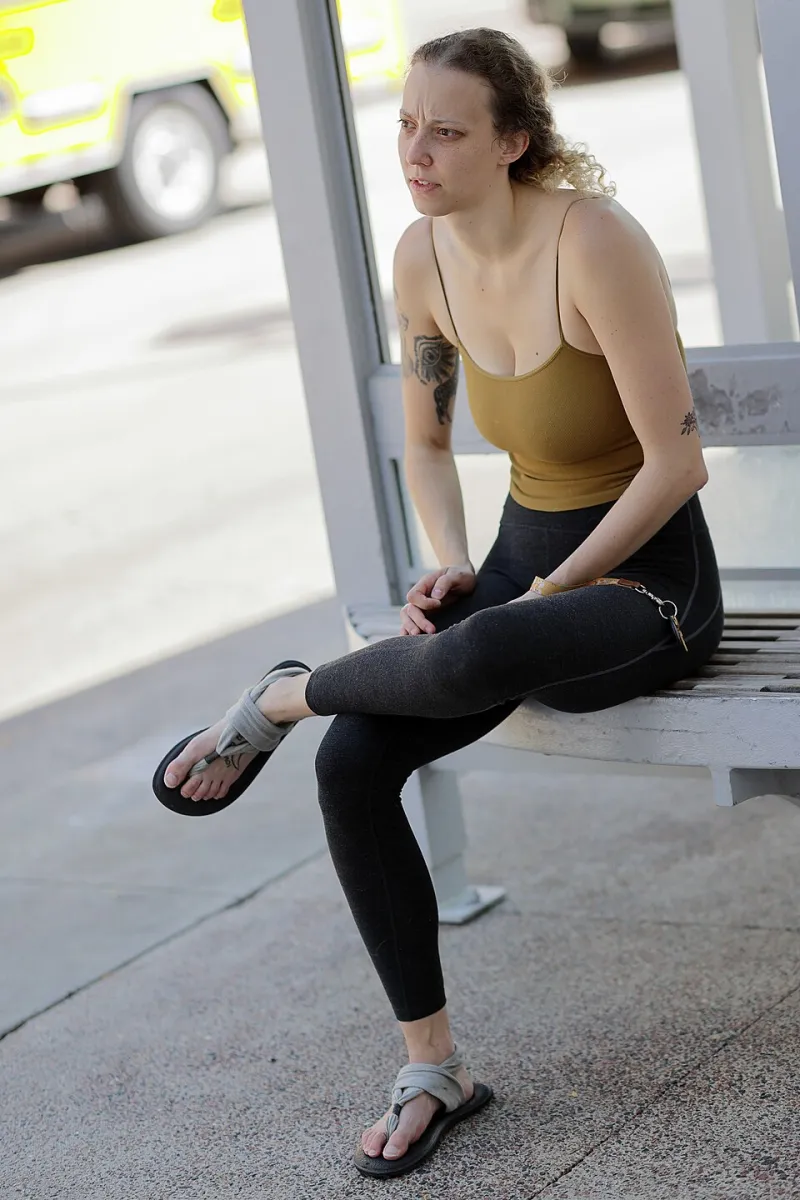
Photo: John Benson from Madison WI, CC BY 2.0, via Wikimedia Commons
There's a particular kind of TikTok video that's basically its own genre at this point. Someone sits in what looks like a pretty modest apartment — neutral walls, a single sad houseplant, maybe a secondhand couch — and talks about how they've been "really intentional" about spending lately. They're thrifting more. Cooking at home. Saying no to things that don't align with their values. It feels honest. It feels real. And then, somewhere around the 45-second mark, they mention the brand that "actually fits into that lifestyle" before dropping a link in their bio.
Welcome to the authenticity economy — where performing financial struggle is a six-figure business.
The Setup
Over the last few years, a specific creator archetype has exploded across Instagram Reels, TikTok, and YouTube Shorts. Call them the Mindful Minimalists. They talk openly about living below their means, rejecting consumerism, embracing "slow living," and generally positioning themselves as a corrective to the flashier influencer culture that came before them. And audiences love it — because after years of watching people flaunt private jets and Birkin hauls, the relatability feels like a breath of fresh air.
Here's the twist: many of these same creators are pulling in brand deals that would make your eyes water. We're talking five-figure posts, long-term ambassador contracts, and gifting arrangements that cover everything from their wardrobe to their kitchen appliances. The minimalist aesthetic? Carefully constructed. The "broke millennial" energy? Meticulously maintained.
And the brands funding this performance? Often the very luxury and lifestyle labels that minimalism supposedly pushes back against.
Why Brands Love the Struggling Aesthetic
This isn't accidental. Marketers figured out a while ago that aspiration alone doesn't convert the way it used to — especially with younger consumers who've grown up watching traditional advertising and learning to tune it out. Gen Z in particular tends to respond better to creators who feel like peers rather than celebrities. Someone who talks about budgeting, thrifting at Goodwill, or making their coffee at home reads as trustworthy. And trustworthy translates to clicks.
So brands started funding the vibe. A wellness company sponsors a creator who talks about "getting back to basics." A fashion label partners with someone who preaches buying less and choosing well. A financial app backs a creator whose whole brand is about escaping the paycheck-to-paycheck cycle — even if that creator's income from sponsorships alone clears six figures annually.
The math works beautifully for everyone involved. Brands get credibility by association. Creators get paid. And audiences get content that feels like advice from a friend rather than a commercial.
The Gen Z Lie Detector Test
Here's where it gets interesting, though. Gen Z — the primary audience for a lot of this content — is also the generation most likely to call it out.
The comment sections on these videos are genuinely fascinating. For every hundred people writing "this is exactly what I needed to hear," there's a growing contingent pointing out the obvious contradictions. "Girl, you have a ring light, professional editing, and a brand deal in the description — you're not struggling." "This apartment is staged." "The 'I only buy secondhand' creator just got flown to Paris by a fast fashion brand."
It's not that audiences are naive — it's more that the social contract around influencer content has shifted. A few years ago, disclosure was mostly an afterthought. Now, the FTC's endorsement guidelines have made #ad and #sponsored more common, but disclosure doesn't automatically kill the illusion. What does kill it is inconsistency — when a creator's "I live simply" narrative runs headfirst into a clearly sponsored haul or a luxury hotel stay tagged with a tourism board.
The irony is that the more polished the "authenticity" becomes, the easier it is to spot. Gen Z didn't grow up watching reality TV without learning that the most "real" moments are often the most produced.
The Real Question: Does It Matter?
This is the part that gets genuinely complicated. Because there's an argument — a pretty reasonable one — that the relationship between sponsorship and genuine belief isn't always fake. Plenty of creators do use and like the products they promote. Plenty of them really do live relatively modestly compared to other people in their income bracket. The fact that a brand is paying them doesn't automatically mean the lifestyle is a lie.
But the issue isn't really whether individual creators are being sincere. It's what the pattern says about the broader digital environment. When the entire aesthetic of "not being sold to" becomes a marketing strategy, it creates a kind of trust inflation. Everything starts to feel potentially sponsored. Every piece of advice, every product mention, every "I've been loving this lately" becomes something to scrutinize.
That erosion of baseline trust has real consequences. It makes it harder for genuinely independent voices to be heard, because audiences can't easily tell the difference between someone who's independently arrived at a lifestyle choice and someone who's been paid to perform it. It also puts creators in a weird position — the more successful they get, the harder it becomes to maintain the relatability that made them successful in the first place.
What Comes Next
There's already a counter-wave building. Some creators are leaning hard into radical transparency — not just disclosing sponsorships but actively talking about how much they make, what their deals look like, and where the line is between their actual opinions and their paid content. It's a risky move, but for a certain audience, that level of openness is exactly what builds real loyalty.
Others are going the opposite direction, quietly stepping back from brand deals altogether and finding alternative revenue through subscriptions, memberships, or direct audience support. The logic being that if the whole value proposition is trust, then protecting that trust is worth more than any single partnership fee.
Meanwhile, brands are already adapting too — moving toward longer-term creator relationships that (in theory) feel more organic, and toward micro-influencers with smaller but more genuinely engaged audiences.
The wave hasn't crashed yet. But it's definitely shifting. And if there's one thing the internet has proven over and over, it's that audiences eventually catch up to whatever the current con is — and when they do, they're not particularly forgiving about it.
The creators who survive the next phase of this will probably be the ones who figured out that the real flex isn't performing struggle. It's being honest about the hustle.