Follow the Creator: What Really Happens When Your Favorite Online Star Switches Platforms
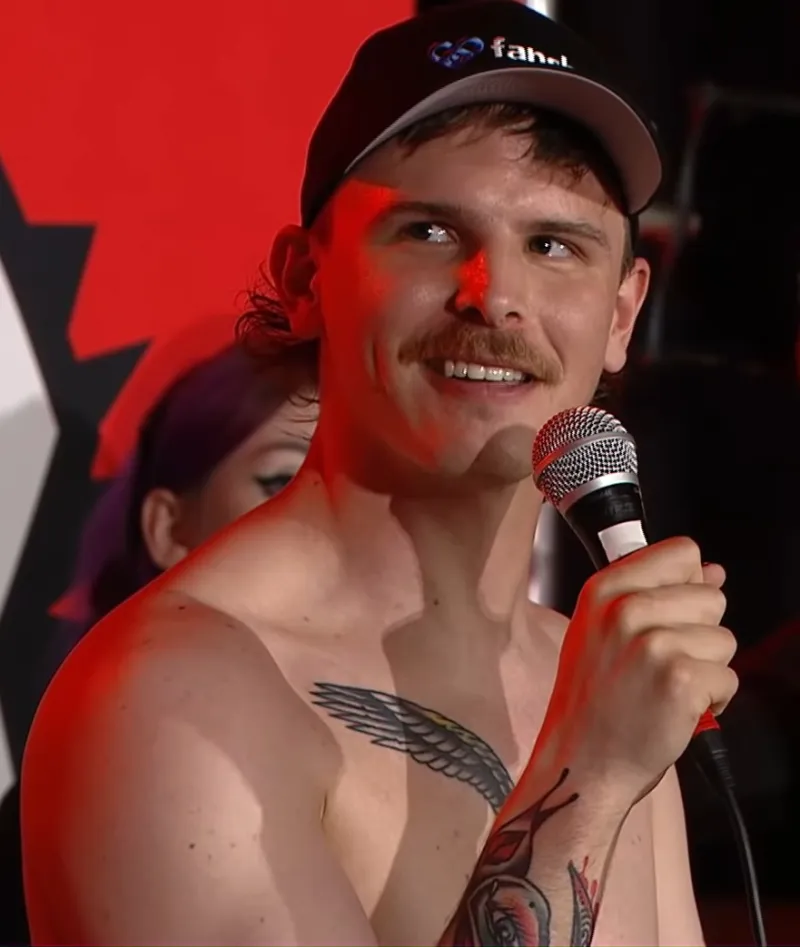
Photo: Esfand, CC BY 3.0, via Wikimedia Commons
Picture this: you've been following the same creator for three years. You know their upload schedule, their inside jokes, their comment section regulars. Then one Tuesday they post a video titled "We need to talk" — and by the end of it, they've announced they're leaving the platform entirely.
So now what?
This scenario is playing out more and more across the internet, and the ripple effects go a lot further than most people realize. When a major creator moves — whether it's from YouTube to Nebula, Twitch to Kick, Twitter to Bluesky, or anywhere else — they don't just take their content with them. They take a community. An economy. A whole ecosystem of inside jokes, shared references, and parasocial relationships that took years to build.
And platforms? They're starting to sweat.
Why Creators Leave in the First Place
The reasons vary, but a few themes keep coming up. Money is the obvious one. Platforms like Kick have reportedly offered streamers deals that make Twitch's revenue split look embarrassing by comparison. Rumble, Substack, and a handful of other alternatives have dangled exclusivity contracts and better monetization structures to lure talent away from the giants.
But it's not always about the check. A growing number of creators cite platform policy changes, algorithm shifts, or outright burnout with a platform's culture as reasons for jumping ship. YouTube's demonetization policies have frustrated creators for years. Twitter's chaotic post-acquisition era sent a wave of creators scrambling for alternatives. TikTok's ongoing regulatory drama in the US has pushed some creators to pre-emptively diversify where they live online.
And then there's the control factor. Owning your audience — through newsletters, Patreon, or direct-to-fan platforms — has become something of a north star for creators who've watched their reach get throttled by an algorithm update they had no say in.
"At some point you realize the platform doesn't care about you," says one mid-tier YouTube creator with about 400,000 subscribers who recently launched a paid Substack alongside their channel. "They care about your content as long as it keeps people on their platform. The second it doesn't serve them, you're on your own."
The Audience Fragmentation Problem
Here's where it gets messy for viewers. When a creator moves, they rarely announce it cleanly and completely. More often, it's a gradual drift — they start posting less on the original platform, tease new content "exclusively" somewhere else, and slowly the center of gravity shifts. For casual fans, this means missing the transition entirely. For devoted followers, it means managing subscriptions across five different apps just to keep up with a handful of creators.
This fragmentation is real, and it's exhausting. A recent survey found that a significant portion of streaming and social media users follow creators across three or more different platforms — and a good chunk of them have lost track of a creator they used to watch regularly because they didn't catch the migration announcement in time.
The communities that form around creators don't always make the jump cleanly either. Discord servers fragment. Comment sections on old videos go quiet but never fully disappear. There's a kind of digital ghost town effect on platforms that creators leave behind — the content is still there, but the living, breathing community around it slowly evaporates.
"It's kind of like when a bar you loved closes and everyone says they'll still hang out, but they never really do," says Chris, 27, a longtime Twitch viewer in Seattle. "The group chat goes quiet. People drift. Some follow the streamer to the new place, some just... stop watching."
Case Study: The Twitch-to-Kick Migration
Few platform shifts have been as visible — or as contentious — as the ongoing migration from Twitch to Kick. When high-profile streamers like xQc and Amouranth made the move in 2023, it sparked a debate that's still going. Kick offered a dramatically better revenue split and significantly looser content policies, which appealed to creators who felt constrained by Twitch's rules.
But the audience response was complicated. Some fans followed enthusiastically. Others refused on principle, citing Kick's controversial ownership ties and more permissive content moderation. Still others simply didn't bother — they'd watched on Twitch because it was easy and familiar, and the friction of switching platforms was just enough to break the habit.
The lesson? Creator loyalty among audiences is real but conditional. It's strong enough to survive a platform change if the new experience is seamless. It's fragile enough to snap if the move feels like too much work.
Platforms Are Now in the Talent Business
All of this has forced a fundamental rethink in how platforms operate. For most of the internet's history, platforms competed on features — better video quality, smarter recommendations, cleaner interfaces. That's increasingly irrelevant. The real competition is for talent.
YouTube's creator revenue-sharing expansion, Spotify's aggressive podcast acquisition spree, Twitch's scramble to retain top streamers with exclusive deals — these are all symptoms of the same realization: the platform is only as valuable as the people on it. Users don't have loyalty to apps. They have loyalty to people.
This has given top-tier creators real leverage they didn't always have. The problem is that leverage isn't evenly distributed. Mega-creators can negotiate; mid-tier and smaller creators largely can't. The same market forces that give a million-follower streamer a bidding war between platforms leave a creator with 50,000 followers completely dependent on whatever terms the algorithm decides to offer that month.
What Fans Are Actually Doing
Talking to viewers about how they handle creator migrations reveals a spectrum of responses. On one end, you have the hardcore followers — the ones who will download a new app, pay for a new subscription, and show up on day one wherever their favorite creator lands. On the other end, you have casual viewers who might watch occasionally when content crosses their feed but won't actively chase a creator across platforms.
In the middle is the interesting group: people who genuinely want to keep following but hit a friction point and never quite make the leap. These are the viewers platforms are quietly losing every time a major creator exodus happens — not to a competitor, but to nothing. They just stop watching.
"I kept meaning to set up a Kick account," admits Priya, 25, a graduate student in Boston. "But I never got around to it, and then it just became easier to watch other stuff. I don't even think about that streamer anymore."
The Uncomfortable Truth About the Creator Economy
At its core, the great creator shuffle exposes something that platforms would rather not advertise: the product was never really the platform. It was always the person.
YouTube without its creators is just a video hosting site. Twitch without its streamers is a blank grid. The infrastructure matters, but it's the human beings — their personalities, their consistency, their ability to make you feel like part of something — that actually keep people coming back.
Creators are starting to internalize this. Platforms are scrambling to respond. And audiences are caught in the middle, loyalty tested every time someone they've watched for years decides it's time to ride a new wave.
Which, honestly, is kind of what the internet has always been. Nothing stays in one place for long. The trick is figuring out which moves are worth following — and which ones are just too much friction to bother.